

Higher Education AccreditationBuilt on Swedish Quality Standards
The Swedish Accreditation Center (SAC) is an independent accreditor headquartered in Stockholm. We help universities, colleges and higher education institutions worldwide demonstrate quality through transparent institutional and programme accreditation.
Founding cohort 2026: applications are now open for Higher Education institutions.
7
Step Accreditation Process
3–6
Months Target, Application to Certificate
8
Higher Education Quality Domains
What is SAC accreditation?
SAC accreditation is an independent quality review of a higher education institution or programme. Trained assessors evaluate your self-evaluation and evidence against eight quality domains, visit your institution, and a separate decision committee decides the outcome: Accredited, Conditionally Accredited or Not Accredited. Accreditation is valid for 4 years with annual monitoring.
New to the topic? Read what accreditation in higher education means or how it differs from licensing and recognition.

Accreditation Frameworks, Opening in Stages
SAC is opening with Higher Education. The K-12 and vocational frameworks will follow once their standards, evidence requirements, and self-evaluation forms are formally approved.
Universities & Higher Education Institutions
Institutional and programme accreditation for universities, colleges and higher education institutions worldwide. Applications are open now.
K-12 Schools
Accreditation for primary, middle and secondary schools. The framework is being finalised.
Vocational & Technical Education
Quality assurance for TVET institutions and professional education providers, including corporate training and non-profit education providers where their activity fits. The framework is being finalised.

Institutional and Programme Accreditation
Choose the scope that fits your goals. Each is a separate application with its own review, decision, certificate and renewal date.
Institutional accreditation
A review of the whole institution: governance, strategy, resources and quality systems.
Programme accreditation
A review of a single degree or programme: its design, learning outcomes, teaching and results.
Quality Assurance Built on Independence and Transparency
Every application is reviewed against published standards by trained assessors, and every step is documented so that institutions can see how a result was reached.

Swedish Quality Tradition
Rooted in a tradition of rigorous, transparent, improvement-focused quality assurance, applied to institutions worldwide.
Independent Panel Review
Each application is reviewed by a panel of three independent, trained assessors who declare any conflicts of interest.
Separate Decision-Making
Assessors recommend; a dedicated SAC Accreditation Decision Committee makes the final decision.
Transparent Process
Every step is documented, and you can follow your application through the SAC portal.
A Clear Timeline
A focused seven-step process with a target of 3–6 months from application to certificate.
Ongoing Support
Annual monitoring and improvement recommendations help institutions keep improving after accreditation.
How SAC Keeps Accreditation Decisions Impartial
Accreditation is only as credible as the way decisions are made. SAC separates the people who assess from the people who decide.

Independent assessors
A panel of three trained assessors reviews each application and scores every domain independently before the panel agrees a documented consensus.
Recommend, then decide
Assessors only recommend. A separate SAC Accreditation Decision Committee makes the final decision.
Declared conflicts of interest
Assessors and decision-makers declare any relationship that could affect, or appear to affect, an impartial judgement.
A route to appeal
Institutions can appeal a decision to an independent panel with no overlap with the original assessors or committee.
The Accreditation Process: Seven Steps to Certification
A clear, seven-step process that is rigorous but transparent, with a target of 3–6 months from application to certificate. Actual duration depends on scope and your readiness.

Eligibility & Registration
Confirm eligibility and create your institution's account.
Indicative: 1–2 weeks
Self-Evaluation
Complete the structured self-evaluation against SAC standards.
Indicative: 2–4+ weeks
Evidence & Completeness Check
Submit supporting evidence for an administrative completeness check.
Indicative: 1–2 weeks
Independent Expert Review
A panel of independent, trained assessors reviews your submission.
Indicative: 2–4 weeks
Site Visit / Validation
Assessors validate your evidence and meet key stakeholders (2–3 days).
Indicative: 2–3 days, 2–4 weeks after desk review
Committee Decision
The SAC Accreditation Decision Committee decides on the assessors' recommendation.
Indicative: 1–2 weeks
Certificate & Monitoring
Receive your certificate, valid for 4 years with annual monitoring.
Indicative: 1–2 weeks, then annual
Accreditation Questions, Answered
What is the Swedish Accreditation Center (SAC)?
SAC is an accreditation organisation headquartered in Stockholm, Sweden. It reviews higher education institutions and programmes against published quality domains, using trained independent assessors, a site visit and a separate decision committee. Higher Education is open for applications; K-12 and Vocational & Technical frameworks are coming soon.
Why choose an independent accreditor?
An independent accreditor applies published standards to every applicant on the same terms, and is not part of the institutions it reviews. That separation matters because accreditation rests on trust: students, partners and staff can see that the judgement came from outside the institution, from trained assessors and a separate decision committee, and was based on evidence.
How does SAC ensure impartiality?
SAC separates the people who assess from the people who decide. A panel of three independent, trained assessors scores each domain independently before agreeing a documented consensus. Assessors only recommend; a separate Accreditation Decision Committee decides. Assessors and decision-makers declare conflicts of interest, actions are recorded in an audit log, and institutions can appeal.
How long does accreditation take?
SAC targets 3–6 months from application to final certificate for all tracks. The actual duration depends on the scope of the accreditation and on how quickly your team completes the self-evaluation and submits evidence.
Which institutions can apply?
Institutions must hold a valid licence or authorisation from the competent authority in their country, have been operating for at least two academic years, name a focal contact point, and have adequate governance, learner records and evidence. SAC accepts applications from any country. At launch, applications are open for Higher Education only.
Learn more about accreditation
What is accreditation in higher education?
A plain-language definition, why it matters and how a review works.
Read moreInstitutional vs programme accreditation
What each one covers and how to decide which you need.
Read moreAccreditation, licensing and recognition
Three terms that are often confused, and who decides each.
Read moreUniversity accreditation requirements
Eligibility rules and the evidence an application usually needs.
Read moreHow to write a self-evaluation report
The eight Higher Education domains, a step-by-step method and common mistakes.
Read moreAccreditation FAQ
Impartiality, the review itself, timelines, outcomes and appeals.
Read more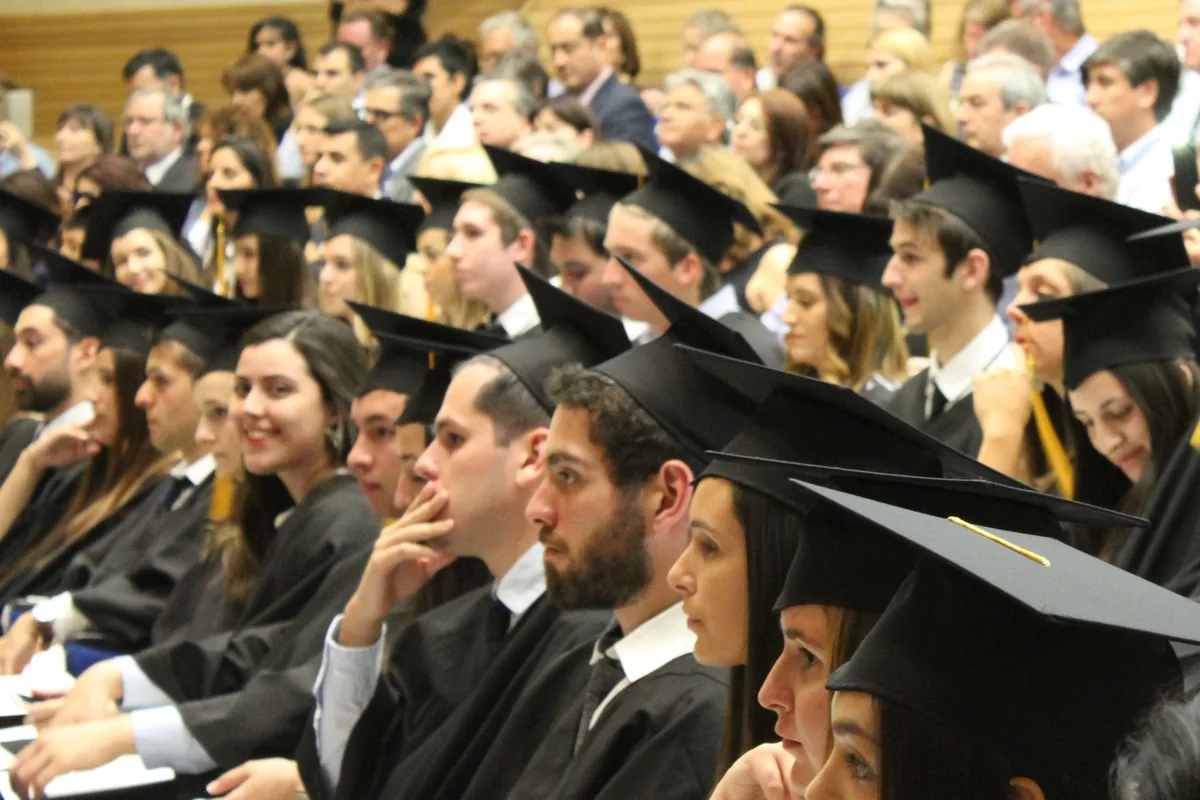
Quality That Graduates, Families and Employers Can Rely On
Accreditation is not an end in itself. It exists so that students can trust the teaching, support and governance behind their degree, and so that institutions have a clear, evidence-based route to keep improving. SAC's reviews are built to give both.
Read why accreditation matters
Ready to Begin Your Accreditation Journey?
Join the founding cohort of institutions committing to Swedish standards of quality.